Who we are
An AI-native engineering team, building the operating system for energy.
We build the software layer that makes energy devices work together.
We build a local-first energy platform that connects photovoltaics, batteries, EV charging, heat pumps, meters and building systems — across brands, protocols and ecosystems.
Software-first · Local-first · AI-native · Engineered in Germany
Beeker Tech GmbH & Co. KG · Neuss · Deutschland
Why we started
The problem was not producing energy. It was making everything work together.
The idea behind OptiBee started with a simple observation.
After installing photovoltaics and battery storage, we saw the pattern many energy users experience: plenty of energy in summer, not enough in winter — while the heat pump, EV charger, battery and building systems kept operating largely as independent systems.
Each product was smart on its own. The building as a whole was not.
From a software perspective that looked like an opportunity. Instead of replacing expensive hardware, more value could be created by coordinating what was already there: when to charge, when to store, when to heat, when to consume locally, and when to react to electricity prices or grid conditions.
Better coordination can create significant value without replacing the hardware people already own.
Already in the building
- Dynamic tariffsConsumption moves into the cheaper hours.
- Grid-oriented control§14a EnWG — follow the operator’s command and keep the reduced grid fee.
- VPP and flexibilityFlexibility a marketer can actually dispatch.
The devices keep their own controls and their own manufacturer. OptiBee decides the order they act in.
Where we come from
Energy management grew naturally out of connected buildings.
OptiBee did not start from a single inverter, battery or energy device.
Our background is in software, IoT and smart building systems, where devices from different manufacturers, generations and protocols have to work together reliably.
That experience shaped how we think about energy. The difficult part is no longer controlling one device — it is making the whole system cooperate.
- Photovoltaics generate energy.
- Batteries shift consumption.
- EVs introduce large flexible loads.
- Heat pumps connect heating with electricity.
- Smart meters expose real-time consumption.
- KNX and building automation add context and control.
OptiBee brings the integration mindset of IoT and building automation into energy management.
Our principles
Built around a few simple principles.
Local first
Energy control should not depend on a permanent internet connection.
Core automation and device communication run locally. Cloud services add monitoring, optimisation and remote capabilities — they should not turn the building into a brick when the internet disappears.
Open ecosystems
A smart energy system should not require every device to come from the same manufacturer.
We design OptiBee to work across brands, protocols and device categories, so customers can choose the products that fit their building.
Software keeps improving
Installing hardware should be the beginning, not the end, of the product lifecycle.
OptiBee is an evolving software platform. New integrations, applications and optimisation capabilities are added over time, without rebuilding the energy system.
How we work
AI-native engineering. Real-world control.
OptiBee is being built at a time when the way software companies operate is changing fundamentally.
We use AI throughout our engineering workflow — from protocol research and device integration to implementation, testing, diagnostics and documentation. That lets a focused engineering team move faster across a technically broad product surface.
But energy control is not text generation. The systems running inside a building have to stay predictable, testable and understandable. So we keep the two ideas apart.
AI accelerates how we engineer the platform.
Reliable software controls the energy system.
AI-assisted engineering
Small teams can now build systems that previously required much larger engineering organisations.
Built in Germany
Built in Germany. Designed for the European energy system.
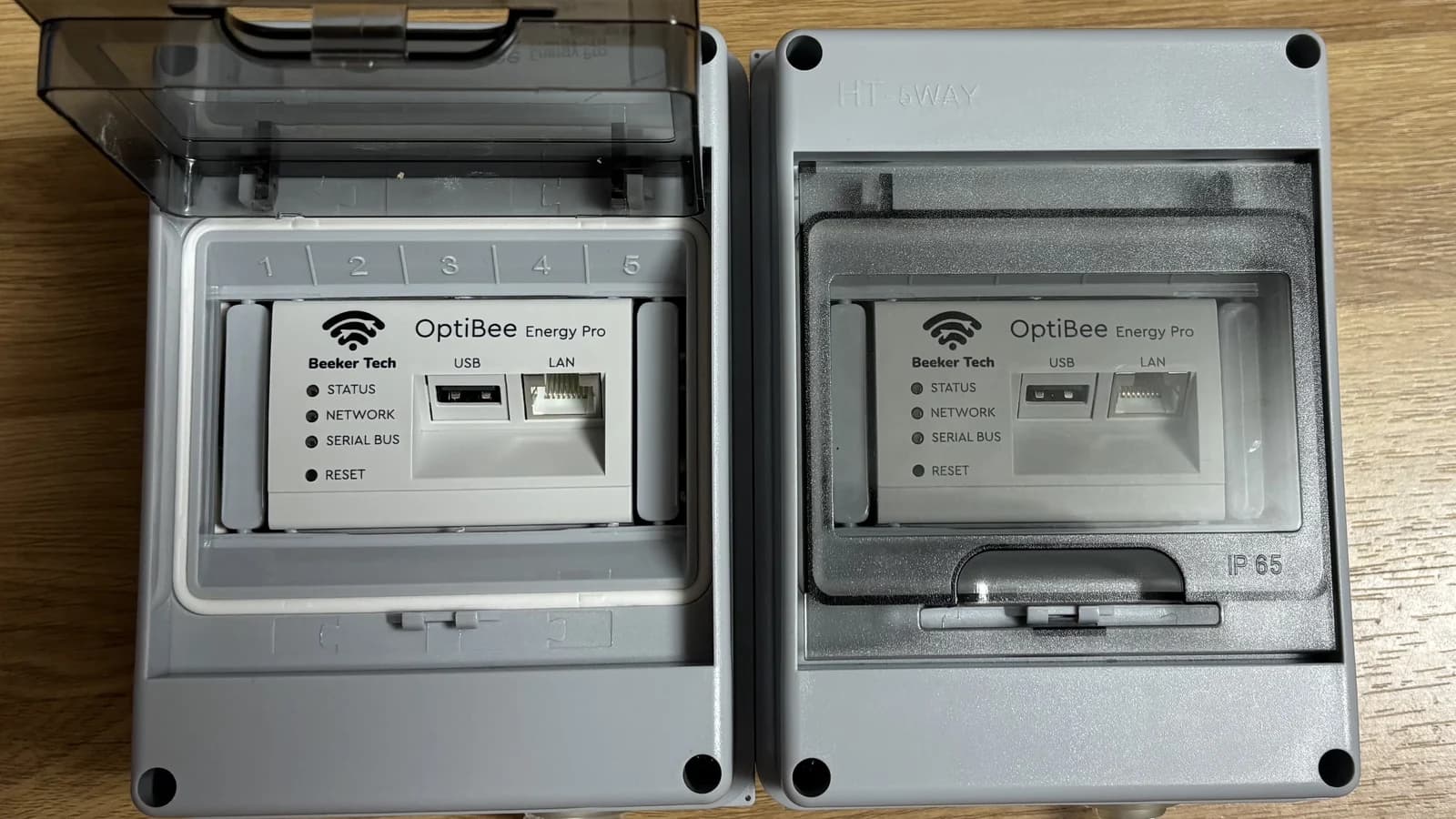
OptiBee hardware and software are developed in Germany.
Cloud infrastructure is hosted in Germany, on Microsoft Azure and Hetzner.
The certifications we hold are the ones our partners are asked for on site.


Development · Hardware · Testing · Cloud infrastructure — Germany
Founder
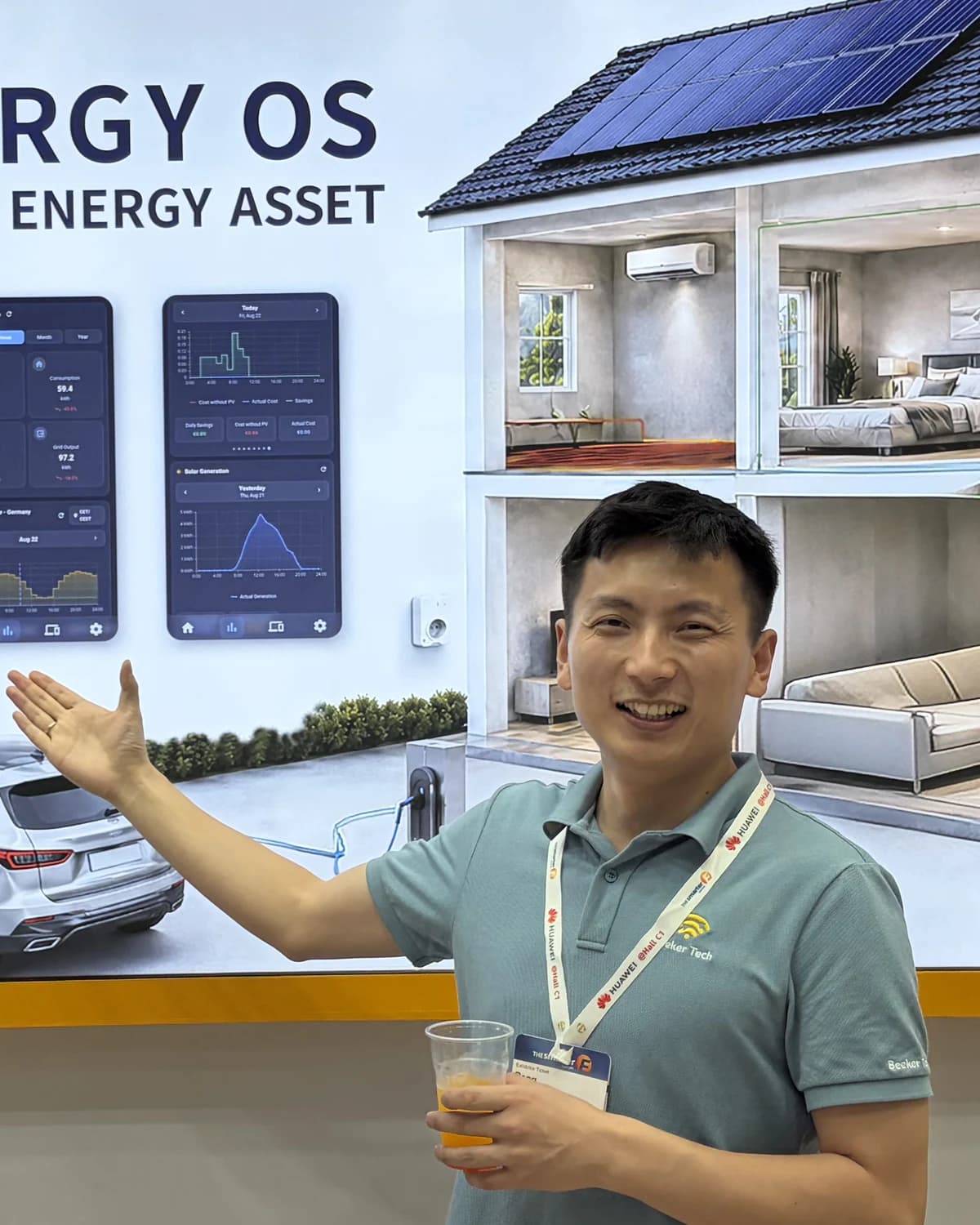
Building at the intersection of software, buildings and energy.
With a background in mechatronics, software and connected building systems, Peng started OptiBee around a simple idea: energy systems should become more capable through software, without forcing customers into another closed hardware ecosystem.
The goal is not another isolated controller. It is an open software layer that helps energy devices, buildings and services work together — locally first, and extensible over time.
That idea shapes both the architecture of OptiBee and how the company itself is built: a focused engineering team using modern software and AI-native workflows on real-world energy problems.
“There is already an enormous amount of good hardware installed in buildings. Our job is to make it work better together.”
Where we are today
Built in the field, not only in the lab.
OptiBee is being deployed and validated through pilot projects in Germany and the Netherlands. Real installations test device integrations, energy strategies and the operational details that only appear when software meets a real building.
We are growing the platform step by step, together with installers, technology partners and early users.
Company details
- Legal name
- Beeker Tech GmbH & Co. KG
- Address
- Am Lichtweg 50, 41470 Neuss
- Managing director
- Peng Yang
- Register
- HRA 8297 · Amtsgericht Neuss
- VAT ID
- DE354785958
Full legal details are in the Impressum.
Work with us
The energy system is becoming software-defined.
We are building OptiBee for people who believe the next generation of energy systems should be open, local and able to evolve. Whether you install systems, manufacture devices, develop energy services or want to be an early OptiBee user, we would like to build that ecosystem together.